


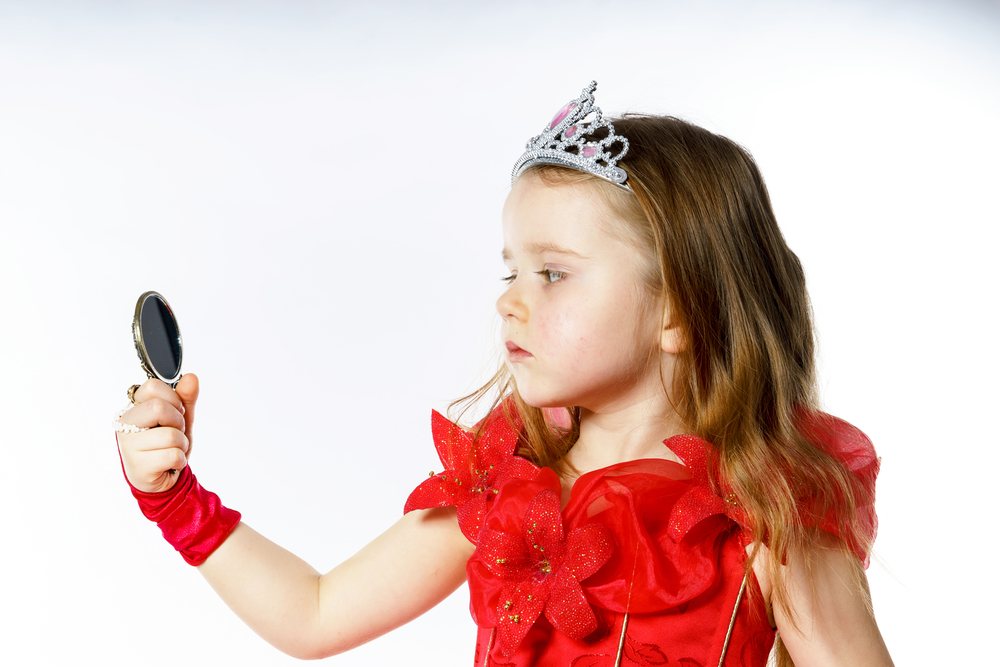
A few weeks ago, it seemed like every blog and news source dedicated to children, education or parenting–and a whole bunch that aren’t–couldn’t stop talking about a new study out of Amsterdam purporting to show that too much praise turns children into narcissists. In case you missed the kerfuffle, the study, “Origins of Narcissism in Children,” by five psychologists from the Netherlands and one from the US, looked at data gathered from 565 children and their parents in four six-month waves. The data consisted of measures of childhood narcissism, childhood self-esteem, parental overvaluation and parental warmth (reported by the children and the parents). Based on their data, the authors concluded that while parental warmth (as reported by the children) correlated highly with self-esteem in children, it was parental overvaluation that correlated most highly with narcissism in children.
From this data, the news media went crazy. CNN trumpeted “Parents may be to blame for narcissistic kids, says study,” and the LA Times advised, “Narcissistic kid? Blame the parents, study says.” Even The Onion got in on the act.
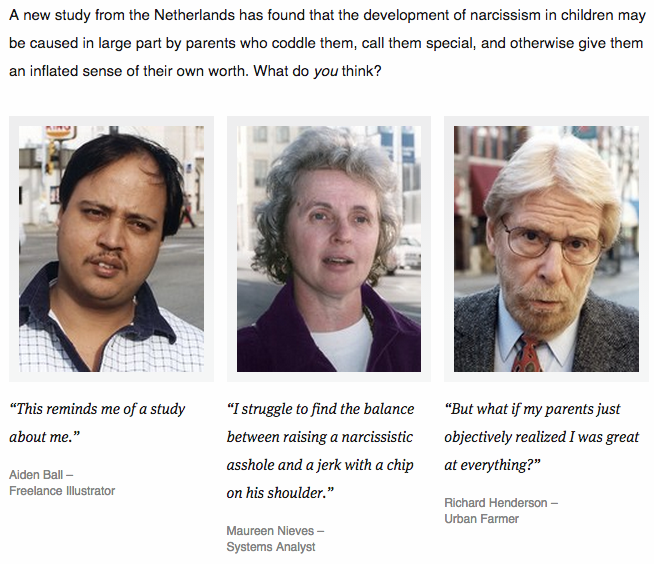
The Onion coverage of The Origins of Narcissism in Children
The study itself has some profound and misleading flaws. Worse, any subtlety or precision in the original research was lost in the sensationalizing, fact-distorting fun house of the mass media response.
As the adult child of a mother with Narcissistic Personality Disorder (NPD), I found myself disturbed by the misunderstandings of narcissism itself and the parenting techniques that lead to it evinced in both the study and its press coverage. In fact, I have so much to say about the study and consequent news coverage that this will be my first series of posts. Let me address the pop-(mis)interpretation of this research first in this post, then turn to the more nuanced but equally problematic issues I have with the original study in Part II of this series, and wrap things up with a post about the actual Do’s and Don’ts of (not) raising a narcissist in Part III.
The New Puritanism
News media fail
“Too Much Praise Can Turn Kids Into Narcissists, Study Suggests,” warns Forbes. The Guardian cautions, “Parents who praise children too much may encourage narcissism, says study.” CBS News says, “Parents who over-praise their kids are breeding trouble, study says,” with a concerned newscaster leading into the story asking, “Could nurturing your child, too much, turn your child into a narcissist?”
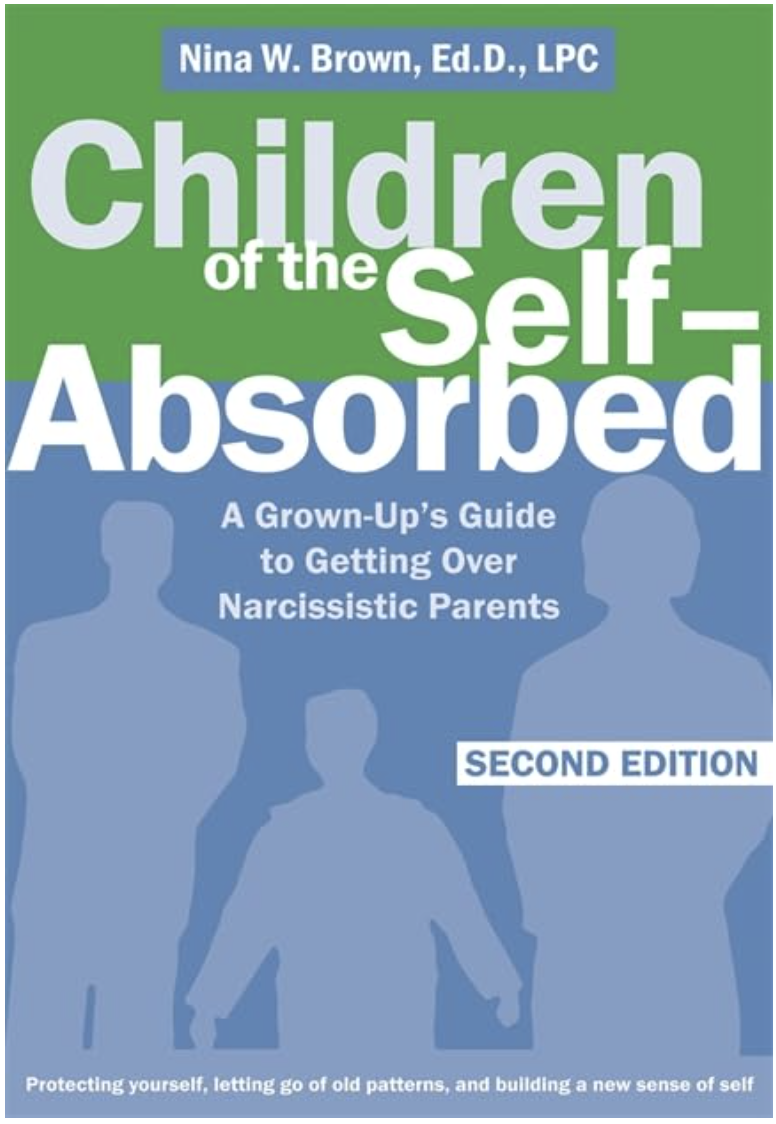
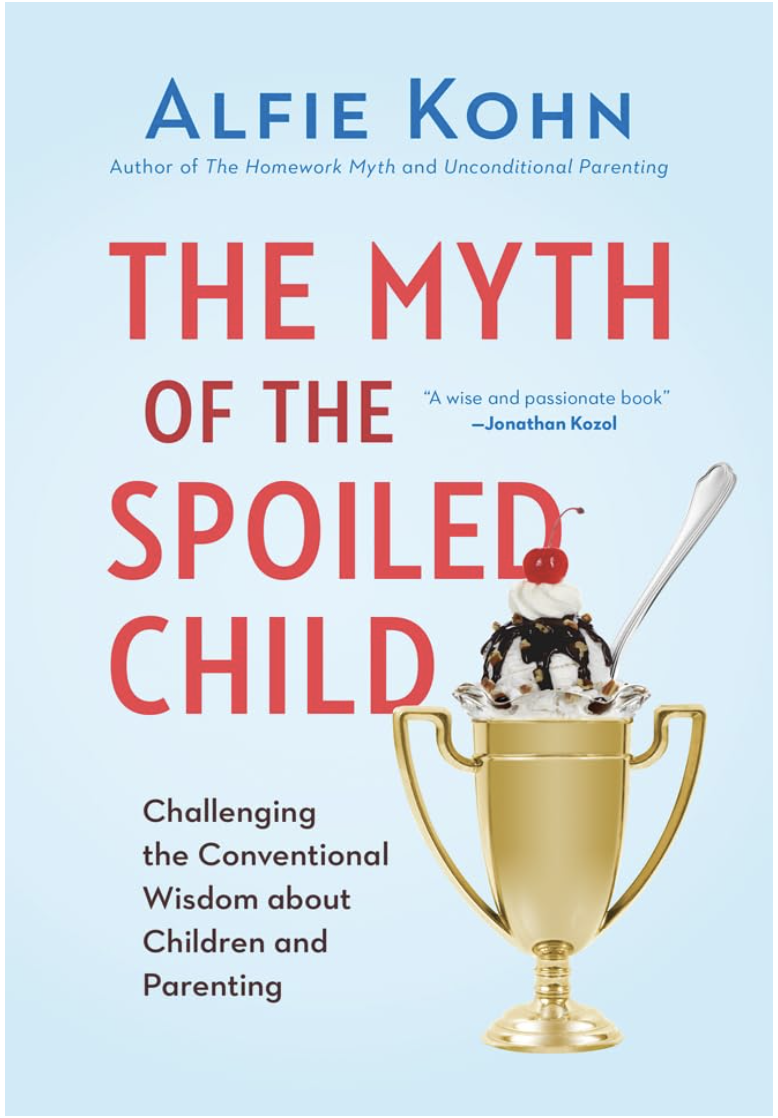
I suppose the media coverage of the Origins of Narcissism study shouldn’t have surprised me so much; according to Alfie Kohn in The Myth of the Spoiled Child: Challenging the Conventional Wisdom about Children and Parenting , one of the only issues that unites the news media of all different political and philosophical bents is a “traditionalist” perspective on children: “[C]ountless publications offer exactly the same indictment of spoiled children and entitled Millenials–and accuse their parents of being lax or indulgent,” (Kohn, p. 6). Nonetheless, I was taken aback by the number and variety of news sources that covered this little study, and by the common mistake so many of them made. Almost without exception, the news coverage wrongly reported the findings of the study as a condemnation of too much praise.
Here’s the thing. PRAISING CHILDREN DOES NOT MAKE THEM NARCISSISTS!
Sorry to go all caps lock on you, but this is really important.
Praising your child, being proud of your child, even thinking your child is the bee’s knees, is not going to warp her into a tantrum-throwing, empathy-lacking, greedy little Veruca Salt.
In fact, the Origins study never mentions praise. Not once. And it most certainly never mentions nurturing, à la CBS.
The study looks at the effect of parental overvaluing of children and their accomplishments. Breaking apart “overvaluing,” helps us understand the study. Valuing is not synonymous with praising, although they are related terms. Valuing means the value one places on an action or object. How good is it? If one finds the thing to have a positive value, then noting that aloud becomes praise. Parents may assess their child’s artwork, for instance, and say in so many words, “That art work has value.”
The prefix over does not refer to the quantitative amount of valuing of a child or their artwork, as if parents could express the value of their children, but not too often or too many times. In other words, healthy praise does not become unhealthy simply by repeating it too often.
Unfortunately, this seems to be what most of the media stories, and many of the people reading them, seem to assume the study says. Take this comment responding to the article on the study written in the New York Times feature Motherlode: S.Pochiraju commented: “Very good article. An occasional praise won’t spoil the children but frequent praising will surely harm them. That’s the reason why in good old days Indian parents never praised their children thinking that the praise would decrease their life span and that the children might become headstrong. Nowadays things have changed for worse.” The study says nothing about the frequency of praise, nor, more accurately, the frequency of expressing positive valuations of children. Yet, in line with Alfie Kohn’s thesis, that traditionalist narrative is so strong that it is almost reflexively assumed that the study supports this rather puritanical view .
So, what, in fact, does overvaluing actually mean? The prefix over actually refers to the amount of value placed on a child or their actions. Think of overvalued currency. To overvalue in this case means to ascribe a value to a child’s qualities, actions or products that overstates their true value. In other words, placing a falsely high value on those qualities, actions or products.
And here is the crux of the problem. By definition, overvaluing is untrue. It is a caricature of praise. “Your drawing is better than anything Michelangelo ever drew” is inauthentic exaggeration.
Authentic praise, no matter how frequent, bolsters children’s self-esteem, primarily because it demonstrates that parents are seeing their children. In fact, teachers the world over have learned that simply noting what a child has done is as powerful as telling them it is good (Kohn, 2001, Marshall, 1995). If you don’t believe me, try it. The next time your child shows you a picture they drew, respond with something neutral and detailed, like “you spent forty minutes on that!” or, “you used such bright colors!” and see if your child beams just as much as if you told her the picture was great.
One of the most profound needs of any child–or adult for that matter–is to be truly seen and appreciated for who they really are. Authentic praise shows your child that you do just that. I see you. I see what you did. I value both.
Accept the children the way we accept trees—with gratitude, because they are a blessing—but do not have expectations or desires. You don’t expect trees to change, you love them as they are.― Isabel Allende
Overvaluing is qualitatively different from healthy praise because it shows just the opposite. Because it is by definition inauthentic and untrue, it makes a child feel unseen, rather than seen, unvalued rather than valued, and unappreciated rather than appreciated.
Overvaluing rings false to a child. They know darned well that they aren’t actually a better artist than Michelangelo. So they have to wonder why their parent insists that they are. Does Mom really not see me? Or is she disappointed with who I am, so she has to lie to herself, everybody and me by saying I am something I am not? Does she want me to be a Michelangelo? What’s wrong with who I am? Overvaluing tells the child they are not ok how they really are.
It also sends the message that only spectacular accomplishments deserve attention. It teaches that there are only two ways to be in the world: super-duper amazing, or beneath notice. Weaknesses, flaws, limitations? Forget those. Only perfection is notable.
Overvaluing correlates with narcissism in children because it means a parent is paying more attention to the child they wished they had than the one in front of them. As such, overvaluing has more in common with unrelenting criticism than with healthy praise. Both communicate to a child that they are neither seen nor appreciated for who they are. On the other hand, authentic praise and realistic valuing are all about noticing, recognizing and accepting a child for exactly who s/he is. And that won’t make a child a narcissist no matter how often it is done.
So, for goodness sakes, don’t let the press’s puritanical, traditionalist misinterpretation of the Origins study make you feel guilty about telling your kid you are proud of his cartwheel, or battle against your natural parental instinct to tell her you were impressed by her home run. And don’t worry about how many times you express your positive valuations. Just make sure you are praising your child for who they actually are and what they actually have accomplished.
One reason I care
When I was 17, I worked at a small day care center in a working class neighborhood for the summer. There was a three year old boy there, let’s call him Michael, who broke my heart. First to be dropped off in the morning–around 6:30am–and last to be picked in the evening, sometimes keeping the daycare center owner waiting past closing time, little Michael’s favorite game in the afternoon was to sit near the window and watch as cars went by, saying as each ones passed, “Is that my mommy? No, that’s not my mommy. Is that my mommy? No, that’s not my mommy…” He would play this game for hours. He was the neediest little person I had ever met.
Not surprisingly, little Michael could be really fussy, especially in the afternoon upon waking from his nap. He would wake up in tears and could cry for an hour before calming himself down. Very quickly, he and I developed a routine. He would wake up crying, I would pick him up and carry him around until he was ready to get down, often a solid thirty minutes later. Meanwhile, he would suck his thumb and sniffle with his head on my shoulder, legs wrapped like a vise around my waist.
The owner of the day care center looked with disgust at this routine after the third or fourth day, and said, “Don’t hold him like that. That’s just what he wants.”
The implication that I would somehow spoil him by attending to his emotional need for connection surprised me at the time. Unfortunately, I am now more familiar with this puritanical, anti-child attitude. When I hear a newscaster ask if nurturing your child too much can make them a narcissist, and others talking about well meaning parents ruining their children by trying to be supportive, I hear my old boss’s voice.
Here’s the thing: when it comes to basic care taking, kids want what they need. Michael didn’t just want me to hold him; his whole nervous system hungered for the connection, warmth and physical soothing he simply wasn’t getting enough of most of the time. When a kid’s behavior is asking for attention, love, or any number of basic emotional needs, it is because they need that for their socio-emotional growth, even on a neurological level: as kids interact with an attuned and responsive parent or care-giver, their orbitofrontal cortex builds the pathways that later will allow them to control their own emotions and build healthy connections with others (Schore). I’m not talking about a child crying for the latest toy or candy bar; by all means say no to those things ‘til the cows come home. But when they want something emotional–like connection, love or soothing, it’s really important to give them what they want.
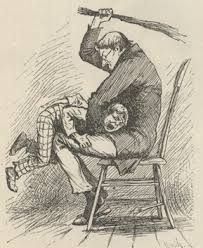
Spare the rod, spoil the child
So for the love of little Michael, before we start some massive “Spare the rod, spoil the child,” backlash, step away from the news flashes and go ahead and tell your child that you love his painting or that you are proud of her report card. It’s just what she wants.
Important Books | |||
 |  |  |  |
 |  |  |  |
 |  |  |  |
[…] of the facets of the legacy of being raised by a mom with Narcissistic Personality Disorder is this deeply felt “rule” that I not abandon her. Read: do anything independently. Unless of […]
[…] took this flawed study and went nuts with it, unfortunately with more fervor than accuracy. In Post I of my critique of the study, we focused on the media’s rather puritanical misunderstandings of […]
[…] keep using that word. I do not think it means what you think it means. As I wrote in Part I of this three part series, the media-parenting world was all a-twitter (both in the old-fashioned […]
[…] of the facets of the legacy of being raised by a mom with Narcissistic Personality Disorder is this deeply felt “rule” that I not abandon her. Read: do anything independently. Unless of […]
“Just make sure you’re praising your child for who they actually are and what they actually have accomplished”
So simply and beautifully put- thank you!
Agreed. There is usually a source and it usually starts at home.
[…] took this flawed study and went nuts with it, unfortunately with more fervor than accuracy. In Post I of my critique of the study, we focused on the media’s rather puritanical misunderstandings of […]
[…] keep using that word. I do not think it means what you think it means. As I wrote in Part I of this three part series, the media-parenting world was all a-twitter (both in the old-fashioned […]
The Onion!? They used The Onion with a straight face?
I just liked the Onion’s parody in the pictures.
Thanks, Diana, for a pithy analysis of an analysis gone wrong
Great comments! Having lived with and worked for some narcissistic people, I can assure you that they are very insecure at their core and constantly looking to be admired, often at the cost of their coworkers or relatives. They have no conscience about taking credit for the work or good qualities of others as long a it brings them the admiration they crave…and feel they deserve. They build themselves up by pretending or secretly believing they are better than others. However, they are constantly needing more. If they do things for others it is to be rewarded with praise, not to authentically “give” to others. Sad for them and for the people they interact with. At least that is my experience.
Yup. You, also, have written some of what will be featured in Part II of this series!
Excellent post. Narcissists build a false facade of grandiosity. It makes sense that when parents overvalue, children comply by building a false facade. This type of overvaluing is abuse. A child needs to be recognized for the unique person s/he is, not recognized for what the parent wishes the child to be.
Absolutely. In fact, you have written a previewing Part II!
Unfortunately bullying does go with this a bit because once a child feels they are better than the others around them they tend to pick on and belittle them. Does the term Mean Girl strike a cord???
Again, poise and humility need to be taught to all. There are many parents out there that did not learn this. There are parents that think their shortcomings were because they didn’t have certain THINGS. Things aren’t what make a child happy. It goes with your comment about the little boy. They just need that reassurance and unconditional love.
Too many children in broken households are not getting this love and definitely are not being taught to be humble.
Many times the overcompensation is what ruins the child. Just love them!!!
Amen to that! I’ve been reading The Curse of the Good Girl, by Rachel Simmons (who wrote Odd Girl Out). She addresses some of the underlying causes of the mean girl syndrome. It’s very interesting.
Once a person sees another as less than them, especially if it goes to the extent of seeing them as less human, then their empathy shuts off and they are capable of all sorts of terrible behavior. Humility: there but for the grace of Gd go I, is key to empathy. Thanks for sharing.
Overvaluing is definitely the issue. As a teacher, I have seen children who just bully and talk down to others because they think they are better than others. Teaching humility and poise is not something most parents think of anymore. We are all suppose to remain humble for our gifts. Yes, children need touch and yes children need to feel loved. We can do all that by showing that we care. We don’t have to breed hate and separation by telling children they are better than others. Aren’t we all trying to move on from that?
I grew up in a german community that did not believe in slavery of anyone. We did our own work and paid others to help, yet I get looked down upon everyday because I am a successful person in society and I make my own way. Lots of people see that as a sign that I was given something more than them. No… I am the daughter of a poor Polish man and a young German girl who worked everyday so they did not have to live off of the government. I am proud of how far I have come. I don’t need others to tell me that. My parents were not ones to dote over anything. There were 11 of us. My mom’s motto was “No news is good news.” She didn’t have time to talk to us everyday much less overstimulate us with overvaluing. Just her look of satisfaction was enough. Parents– Stop ruining these children by making them think they don’t need to listen to teachers because they are so special. When you have to get them out of jail or view their corpse because they didn’t stop to listen to a policeman because they were taught they were better and didn’t have to you will think twice. Come to a middle school and see for yourself.
One day I will write a book on everyday experiences with children and parents. You will all be blown away. You can’t learn these things in college or in a book. You have to live them.
If it were all a cake I would take off the icing!!!
Thanks for sharing your experience and insights. We definitely don’t want anyone wandering around assuming they are better than others. I would question, however, whether school bullies really feel that way. In my experience, bullies always have a core sense of insecurity that they are making up for. Often, they were victims of bullying themselves–at home from older siblings or even parents–and are angry and hurt. I think people who honestly feel comfortable in their own skin have no need to be mean to others.
Thanks so much for this detailed look at the study and for clarifying the difference between praise and overvaluing. There are so many “yes’s” and “no’s” for parenting today based on all these studies it can make a mom’s head spin. ;-)
I’m glad you found it helpful. When your head is spinning, ask yourself this: “do my kids know I love them unconditionally?” If the answer is yes, all the rest is icing. :-)
Thanks for putting some depth into the all too often, too
shallow media coverage of just about anything! Looking forward to the next ….
Thank you. Part II should be soon–tomorrow?
Excellent and valuable. Takes a complicated subject and makes it clear. Bravo!